

The Natural Refrigerant Training Summit Pittsburgh event highlights the growing demand for advanced CO2 and propane refrigeration skills across Pennsylvania. The HVACR industry is undergoing one of the most significant transitions in its history. As environmental regulations tighten and sustainability goals expand across North America, natural refrigerants such as CO2 (R-744) and propane (R-290) are rapidly replacing traditional HFC refrigerants.
For refrigeration technicians, steamfitters, and HVAC professionals in Pennsylvania, this shift is not optional. It is essential.
The Natural Refrigerant Training Summit in Pittsburgh represents more than just a training event. It reflects a broader industry transformation—one that requires advanced technical education, updated safety protocols, and hands-on experience with modern refrigeration systems.
This article explains:
-
What natural refrigerants are
-
Why CO2 and propane systems are expanding nationwide
-
How training impacts career growth
-
Why Pittsburgh is becoming a regional hub for natural refrigerant education
-
What technicians can expect from structured refrigeration training programs
What Are Natural Refrigerants?
Natural refrigerants are substances that occur naturally in the environment and are used in refrigeration and HVAC systems. Unlike synthetic HFC refrigerants, natural refrigerants have:
-
Very low Global Warming Potential (GWP)
-
No ozone depletion potential
-
Higher environmental sustainability ratings
The most common natural refrigerants in commercial and industrial applications include:
-
CO2 (R-744)
-
Propane (R-290)
-
Ammonia (R-717)
Among these, CO2 refrigeration systems are rapidly expanding in supermarkets, cold storage facilities, and industrial applications across the United States.
Why the HVAC Industry Is Moving Away from HFC Refrigerants
The transition to natural refrigerants is driven by regulatory and environmental factors.
Key drivers include:
-
Federal phasedown of HFC refrigerants
-
State-level environmental legislation
-
Corporate sustainability commitments
-
Demand for energy-efficient refrigeration systems
Pennsylvania contractors and refrigeration technicians are increasingly encountering CO2 systems in grocery stores, distribution centers, and food processing plants.
Technicians who lack natural refrigerant training risk falling behind.

Why CO2 Refrigeration Training Is Critical in 2026 and Beyond
CO2 refrigeration systems operate differently than traditional HFC systems. They involve:
-
Higher operating pressures
-
Different piping design considerations
-
Specialized safety requirements
-
Advanced system controls
Without proper training, working on CO2 systems can be dangerous and inefficient.
That is why structured natural refrigerant training is essential.
Hands-on education allows technicians to:
-
Understand transcritical CO2 systems
-
Learn pressure management
-
Practice troubleshooting techniques
-
Work with live mobile training units
-
Apply manufacturer-specific best practices
The Natural Refrigerant Training Summit in Pittsburgh provides this type of immersive education.
Why Pittsburgh Is Becoming a Natural Refrigeration Training Hub
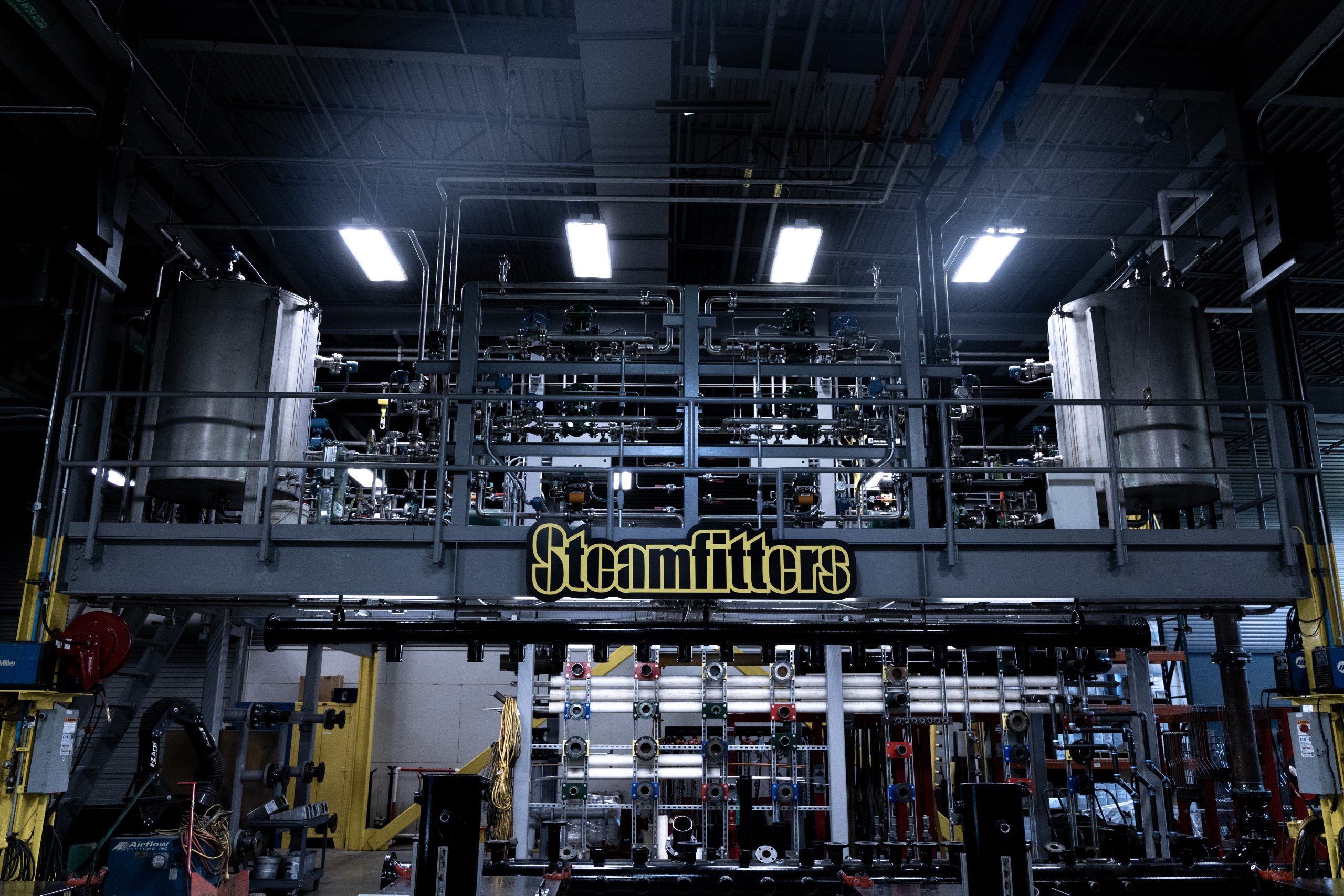
Western Pennsylvania has a long history of industrial and mechanical excellence. With strong union apprenticeship programs and advanced technology centers, the region is positioned to lead in next-generation HVAC education.
Pittsburgh’s training infrastructure supports:
-
Advanced refrigeration labs
-
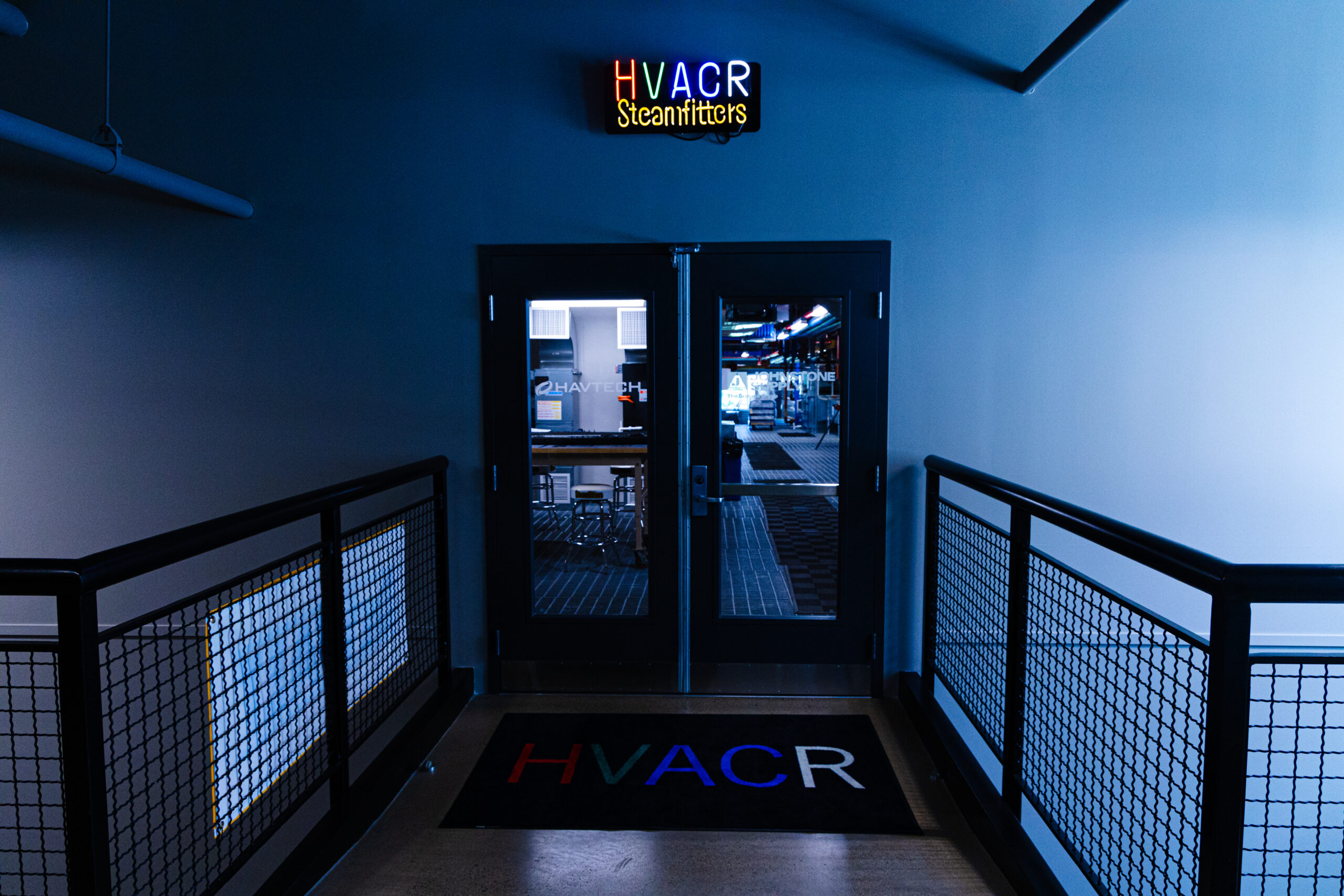
Dedicated HVACR classrooms
-
Live demonstration systems
-
Industry partnerships
By hosting natural refrigerant training events, the region strengthens its reputation as a leader in skilled trades education.
What Technicians Learn at a Natural Refrigerant Training Summit
A comprehensive natural refrigerant training program typically includes:
1. CO2 System Fundamentals
-
Thermodynamics of CO2
-
Transcritical system operation
-
Pressure-temperature relationships
2. Propane (R-290) Safety Protocols
-
Flammability classification
-
Installation guidelines
-
Code compliance
3. Mobile CO2 Training Units
Hands-on exposure to real working systems.
4. Troubleshooting and Diagnostics
-
Leak detection
-
Electronic controls
-
System optimization
5. Manufacturer Exhibits and Product Education
Access to the latest natural refrigerant equipment and service solutions.
This type of training significantly increases technician competency and confidence.
How Natural Refrigerant Skills Improve Career Opportunities
Refrigeration technicians with CO2 experience are increasingly in demand.
Benefits of natural refrigerant expertise include:
-
Higher earning potential
-
Access to commercial supermarket contracts
-
Increased job stability
-
Long-term career growth
-
Greater mobility across states
As more grocery chains convert to CO2 systems, contractors require qualified technicians.
Natural refrigerant training directly supports career advancement in HVACR and mechanical construction.
The Role of Industry Partnerships in Refrigeration Education
Industry collaboration is critical for advancing refrigeration standards.
Organizations such as sustainability councils and industry manufacturers support:
-
Environmental transition initiatives
-
Technical education programs
-
Certification pathways
-
Equipment innovation
By partnering with environmental and refrigeration organizations, training summits ensure that technicians receive accurate, up-to-date information.
This collaborative approach accelerates the adoption of climate-friendly refrigeration systems.
Why Refrigeration Training Matters for the Future of HVAC Careers
The HVACR field is no longer limited to traditional heating and cooling systems. It now includes:
-
Advanced supermarket refrigeration
-
Industrial cooling
-
Sustainable mechanical systems
-
Energy-efficient building technologies
Technicians who invest in natural refrigerant training position themselves at the forefront of the industry.
Rather than reacting to regulatory changes, trained professionals lead the transition.
Environmental Impact of Natural Refrigerants
CO2 and propane systems offer measurable environmental benefits:
-
Significant reduction in greenhouse gas emissions
-
Lower long-term environmental risk
-
Compliance with federal climate initiatives
-
Improved system efficiency
As climate goals expand across North America, natural refrigerants will continue to gain traction.
Technicians trained in these systems contribute directly to environmental progress.
Natural Refrigerant Training vs Traditional Refrigeration Training
| Traditional HFC Systems | Natural Refrigerant Systems |
|---|---|
| Lower pressure | Higher pressure (CO2) |
| Widely established | Rapidly expanding |
| Higher GWP | Ultra-low GWP |
| Familiar service methods | Requires updated training |
The complexity of CO2 systems demands structured education.
Without formal training, technicians may struggle with system performance and safety compliance.
How Structured Training Enhances Workplace Safety
Safety is a critical component of natural refrigerant systems.
CO2 systems operate at significantly higher pressures. Propane systems involve flammability considerations.
Proper training ensures:
-
Safe installation
-
Accurate leak detection
-
Pressure relief management
-
Compliance with national safety codes
Hands-on training reduces workplace accidents and protects technicians and employers.
The Economic Impact of Refrigeration Innovation in Pennsylvania
Natural refrigerant adoption stimulates:
-
Equipment manufacturing growth
-
Technical training expansion
-
Contractor specialization
-
Long-term infrastructure upgrades
By investing in training, Pennsylvania strengthens its mechanical workforce and supports sustainable economic development.
Why Networking Events Matter for HVAC Students and Technicians
In addition to technical sessions, refrigeration summits often include industry networking opportunities.
These sessions allow:
-
HVAC students to meet contractors
-
Technicians to connect with manufacturers
-
Employers to identify qualified candidates
-
Apprentices to explore advanced career paths
Professional relationships formed during training events can lead to employment opportunities and mentorship.
Who Should Attend Natural Refrigerant Training?
Natural refrigerant education benefits:
-
Refrigeration technicians
-
Steamfitters
-
HVAC apprentices
-
Mechanical contractors
-
Service managers
-
HVACR students
Both union and non-union professionals can benefit from exposure to modern refrigeration systems.
How Refrigeration Education Strengthens the Skilled Trades
The skilled trades sector thrives when education evolves with industry demands.
By integrating natural refrigerant training into structured programs, training centers ensure that apprentices and journeymen remain competitive.
Forward-thinking mechanical organizations recognize that:
-
Training drives innovation
-
Innovation drives opportunity
-
Opportunity drives workforce growth
Frequently Asked Questions About Natural Refrigerant Training
What is a natural refrigerant?
A natural refrigerant is a substance that occurs naturally in the environment and has low global warming potential, such as CO2 or propane.
Why are CO2 refrigeration systems becoming more common?
CO2 systems offer low environmental impact and comply with federal HFC phasedown regulations.
Is CO2 refrigeration dangerous?
CO2 systems operate at higher pressures, which requires specialized training. When properly installed and serviced, they are safe and efficient.
Do refrigeration technicians need additional certification?
Many employers require advanced training or certification to work on natural refrigerant systems.
Are natural refrigerant skills in demand?
Yes. Supermarkets and commercial facilities are increasingly converting to CO2 systems, increasing demand for trained technicians.
How does training improve job opportunities?
Technicians with CO2 and propane system experience often qualify for higher-level positions and specialized contracts.
The Future of Refrigeration in Pittsburgh and Beyond
The refrigeration industry is evolving rapidly. Environmental responsibility, advanced system controls, and sustainability standards are redefining HVAC careers.
Training events focused on natural refrigerants represent a proactive response to these changes.
For technicians in Pennsylvania, investing in natural refrigerant education is not just about attending an event. It is about building long-term expertise in one of the fastest-growing sectors of the mechanical trades.
As CO2 refrigeration systems continue expanding across supermarkets and commercial facilities, structured training programs will remain essential.
Pittsburgh’s growing role as a center for refrigeration education reflects the region’s commitment to technical excellence, workforce development, and environmental progress.
Natural refrigerant training is not a trend. It is the future of HVACR.