

Starting a mechanical contracting business is one of the most powerful long-term career moves for experienced steamfitters, HVAC technicians, and mechanical professionals. Many skilled tradespeople eventually reach a point where they want to move beyond working for someone else and begin building their own company.
In Pennsylvania, particularly in the Pittsburgh region, mechanical contracting businesses continue to grow due to infrastructure upgrades, industrial expansion, healthcare facilities, universities, and energy modernization projects.
This guide explains how to start a mechanical contracting business, what licenses and insurance are required in Pennsylvania, typical startup costs, and how union training can provide a long-term advantage.
What Is a Mechanical Contracting Business?
A mechanical contracting business typically installs, services, and maintains:
-
HVAC systems
-
Industrial piping
-
Refrigeration systems
-
Mechanical equipment
-
Heating and cooling systems
-
Large commercial building infrastructure
Mechanical contractors often work on hospitals, universities, data centers, manufacturing facilities, and government projects.
Because the systems are complex and high-value, the demand for experienced and properly trained contractors remains strong.
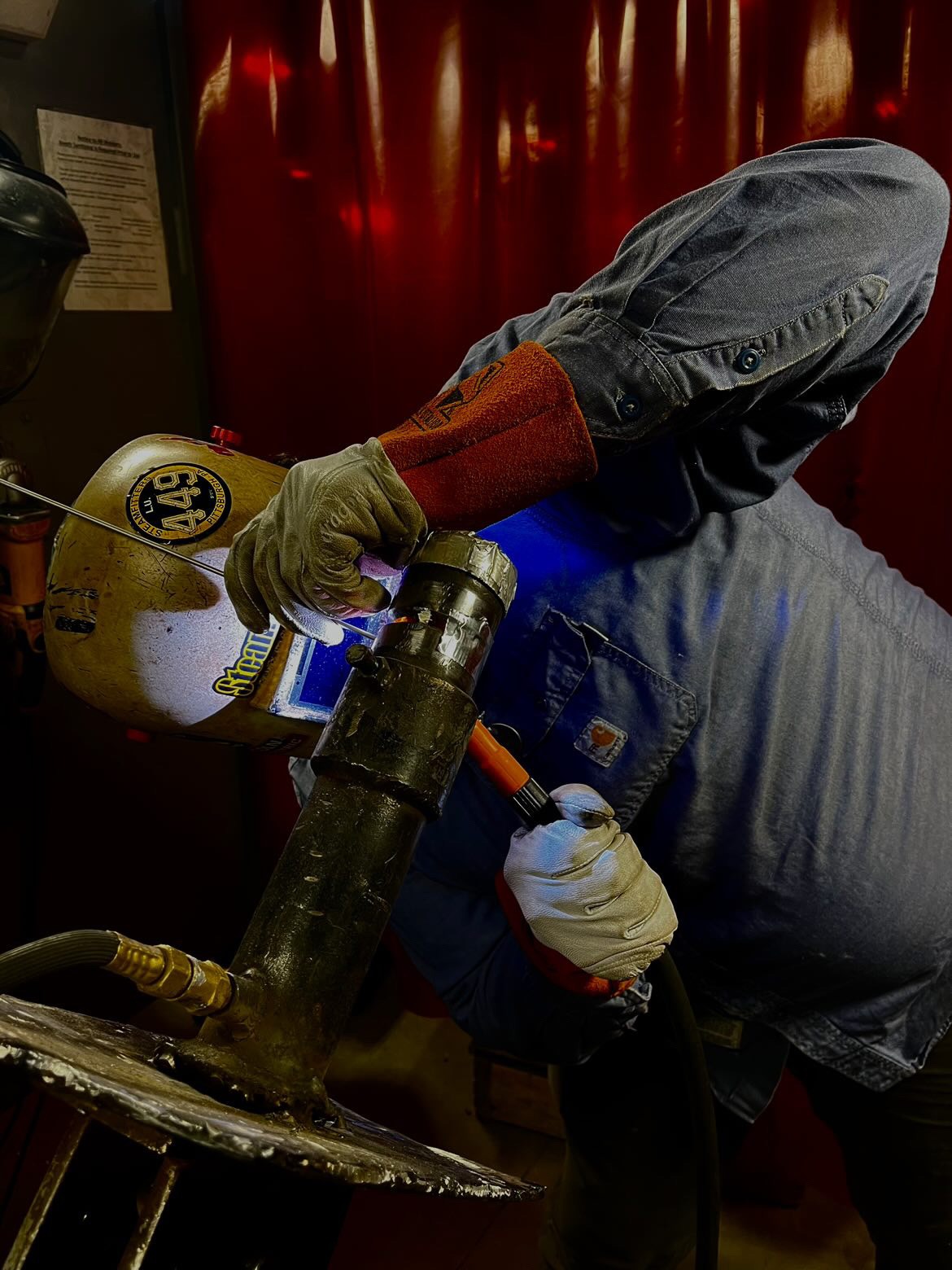
Step 1: Gain Technical Experience in the Field
Before starting a business, strong technical experience is essential.
Most successful mechanical contractors begin as:
-
Steamfitters
-
HVAC service technicians
-
Pipefitters
-
Mechanical equipment specialists
Hands-on experience builds not only technical ability but also jobsite confidence, safety knowledge, and troubleshooting skills.
Many business owners in Pennsylvania begin their careers through structured apprenticeship programs that combine classroom education with paid jobsite training.
Step 2: Understand Licensing Requirements in Pennsylvania
Pennsylvania does not have a single statewide HVAC license. However, licensing requirements vary by municipality.
In the Pittsburgh region, you may need:
-
Local contractor registration
-
City business license
-
Trade-specific permits
-
OSHA certification
-
EPA certification (for refrigerants)
Additionally, many projects require:
-
Bonding
-
General liability insurance
-
Workers’ compensation insurance
Before launching your mechanical contracting company, check with your local municipality and county offices to confirm requirements.
Step 3: Calculate Startup Costs
Starting a mechanical contracting business involves upfront investment.
Typical startup expenses may include:
-
Business registration fees
-
Insurance premiums
-
Work vehicle purchase or lease
-
Tools and diagnostic equipment
-
Licensing and permit fees
-
Marketing and website setup
-
Accounting and legal consultation
Depending on scope, startup costs can range from several thousand dollars to significantly more if purchasing equipment-heavy service vehicles.
Proper planning and financial forecasting are critical before launching.
Step 4: Secure Insurance and Bonding
Mechanical contracting carries liability risk. Therefore, proper insurance coverage is essential.
Most contractors carry:
-
General liability insurance
-
Commercial auto insurance
-
Workers’ compensation
-
Professional liability coverage
Bonding is often required for public projects and commercial bids.
Insurance protects both your company and your clients, and it builds credibility when bidding projects.
Step 5: Develop a Business Plan
Even skilled technicians need a structured business plan.
A strong mechanical contracting business plan includes:
-
Market analysis (residential, commercial, industrial focus)
-
Target customer segments
-
Competitive landscape
-
Startup costs and projections
-
Service pricing strategy
-
Growth plan
In Western Pennsylvania, contractors often focus on healthcare facilities, university systems, industrial manufacturing, and commercial development projects.
Understanding regional demand is key.
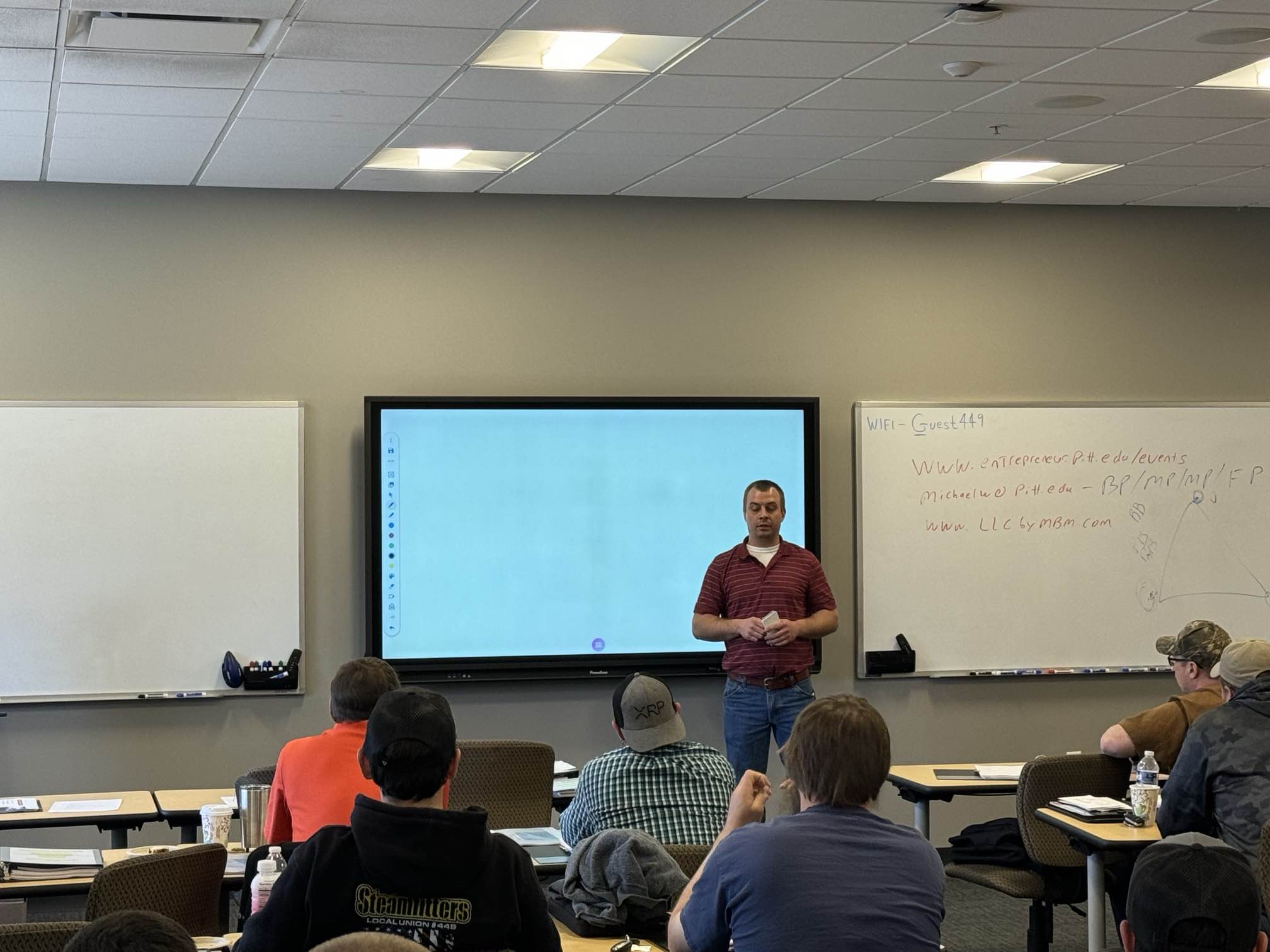
Step 6: Build Industry Relationships
Success in mechanical contracting depends heavily on relationships.
Important connections include:
-
General contractors
-
Engineers
-
Facility managers
-
Developers
-
Union representatives
-
Suppliers
Networking within the local industry can significantly increase project opportunities.
The Union Advantage in Mechanical Contracting
Many successful contractors in Pennsylvania began their careers through union apprenticeship programs.
Union training offers several long-term advantages:
-
Structured multi-year technical education
-
Industry-recognized certifications
-
High safety standards
-
Advanced mechanical systems training
-
Exposure to complex commercial projects
Because apprenticeship programs are aligned with contractor demand, they prepare workers for real-world project environments.
For aspiring business owners, this foundation can reduce costly mistakes later.
Women-Owned and Veteran-Owned Mechanical Businesses
There is growing demand for:
-
Veteran-owned businesses
-
Women-owned contractors
-
Minority-owned mechanical firms
Certain public and government projects include diversity participation requirements.
Entrepreneurs in these categories may have access to additional bidding opportunities.
Understanding certification pathways can expand your company’s market share.
How Much Can a Mechanical Contractor Earn?
Income varies based on:
-
Company size
-
Type of projects
-
Region
-
Experience level
-
Overhead costs
Established mechanical contracting companies can generate significant revenue through large commercial and industrial projects.
However, profitability depends on:
-
Efficient project management
-
Accurate bidding
-
Cost control
-
Skilled workforce
Business ownership involves both opportunity and risk.
Common Mistakes to Avoid
New mechanical contractors often face similar challenges:
-
Underbidding projects
-
Failing to account for overhead
-
Inadequate insurance coverage
-
Weak bookkeeping
-
Poor cash flow management
Strong planning and mentorship can help reduce these risks.
From Apprentice to Business Owner
Many business owners begin their careers in structured apprenticeship programs.
These programs provide:
-
Technical training
-
Safety certification
-
Exposure to commercial systems
-
Industry relationships
-
Leadership development
Over time, experienced tradespeople may move into supervisory roles, project management, estimating, and eventually business ownership.
Why Western Pennsylvania Is a Strong Market
The Pittsburgh region continues to invest in:
-
Healthcare infrastructure
-
University campus expansion
-
Industrial modernization
-
Energy efficiency upgrades
These sectors require ongoing mechanical services.
For contractors with the right training and licensing, the region offers long-term opportunity.
Frequently Asked Questions
Do I need a license to start a mechanical contracting business in Pennsylvania?
Licensing requirements vary by municipality. You must check local city or county regulations.
How much does it cost to start an HVAC business?
Startup costs vary based on equipment, insurance, and vehicle expenses.
Is union training required to start a business?
No. However, many successful contractors benefit from structured apprenticeship training.
Can veterans start mechanical contracting businesses?
Yes. Veterans may qualify for small business support programs and certification opportunities.
What insurance is required?
General liability and workers’ compensation insurance are typically required.
Final Thoughts
Starting a mechanical contracting business requires technical experience, financial planning, licensing compliance, and strong industry relationships.
For skilled trades professionals in Pennsylvania, the pathway from apprentice to contractor is achievable with proper preparation and long-term vision.