

Natural Refrigerant Training Pittsburgh programs are becoming essential as EPA regulations accelerate the shift toward low-GWP refrigerants and sustainable HVAC systems. The HVAC industry is undergoing one of the most significant regulatory and technological transitions in decades. As federal and state agencies push for lower environmental impact, the shift toward natural refrigerants is accelerating across commercial, industrial, and institutional projects.
In Pennsylvania — particularly in the Pittsburgh region — mechanical contractors, refrigeration technicians, and HVAC professionals are preparing for this transition through advanced training programs focused on natural refrigerant systems.
Natural refrigerant education is no longer optional. It is becoming essential for technicians who want to remain competitive in a changing industry.
What Are Natural Refrigerants?
Natural refrigerants are substances that occur naturally in the environment and have minimal impact on global warming compared to traditional synthetic refrigerants.
Common natural refrigerants include:
-
CO₂ (R-744)
-
Ammonia (R-717)
-
Propane (R-290)
-
Hydrocarbons
These refrigerants typically have:
-
Low Global Warming Potential (GWP)
-
Zero or near-zero ozone depletion potential
-
Improved long-term regulatory compliance
As environmental standards tighten, more large-scale refrigeration and HVAC systems are shifting toward these alternatives.
Why Is the Industry Moving Away from Traditional Refrigerants?
Recent federal initiatives and EPA regulations aim to reduce the use of high-GWP refrigerants.
Key drivers include:
-
Environmental impact reduction
-
Long-term sustainability goals
-
Refrigerant phase-down mandates
-
International climate agreements
Because of these changes, commercial buildings, supermarkets, healthcare facilities, and industrial plants are increasingly adopting CO₂ and hydrocarbon-based systems.
This creates new demand for trained technicians who understand installation, maintenance, and safety protocols for these systems.
The Skills Gap in Natural Refrigeration
One of the biggest challenges facing the HVAC industry today is the skills gap.
Many technicians were originally trained on legacy refrigerant systems. However, natural refrigerants require:
-
Different safety procedures
-
Specialized system design knowledge
-
Advanced troubleshooting skills
-
Compliance familiarity
Without updated training, technicians risk falling behind as contractors and facility owners modernize systems.
This is why advanced education in natural refrigerant systems is becoming critical in Pennsylvania and across the United States.
Why Pennsylvania Is a Key Market
Western Pennsylvania has:
-
A strong industrial base
-
Major healthcare systems
-
University campuses
-
Large commercial refrigeration infrastructure
-
Growing sustainability initiatives
These sectors are adopting environmentally responsible refrigeration systems at an increasing pace.
For HVAC professionals in Pittsburgh and surrounding regions, staying current with natural refrigerant technology directly impacts employability and long-term earning potential.
What Natural Refrigerant Training Typically Covers
Comprehensive natural refrigerant training programs include:
-
CO₂ system operation and diagnostics
-
Hydrocarbon safety protocols
-
Ammonia system fundamentals
-
Refrigerant regulations and compliance
-
Hands-on lab experience
-
Advanced system troubleshooting
-
Energy efficiency optimization
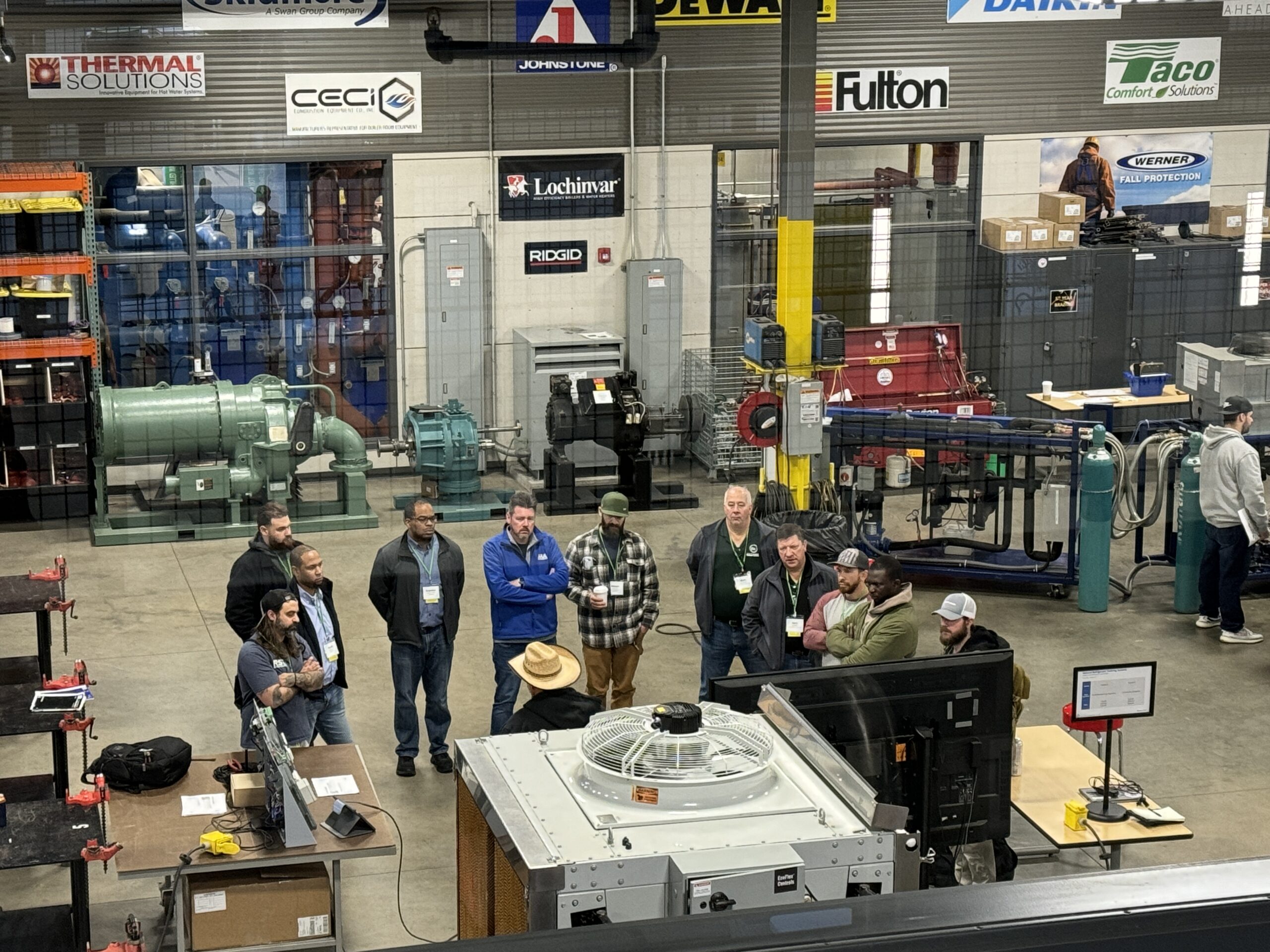
Hands-on training is especially important because natural refrigerants operate under different pressures and system configurations than traditional systems.
Technicians must understand both theory and real-world application.
Career Impact: Why Training Matters
HVAC professionals who complete advanced natural refrigerant training gain:
-
Expanded job opportunities
-
Increased credibility with contractors
-
Eligibility for specialized projects
-
Improved safety knowledge
-
Higher long-term career stability
As more commercial projects specify low-GWP systems, contractors will prioritize technicians who understand modern refrigerant systems.
Training becomes a competitive advantage.
The Role of Industry Events and Technical Summits
Large-scale training summits and industry events bring together:
-
Contractors
-
Manufacturers
-
Engineers
-
Technicians
-
Apprentices
-
Industry regulators
These events often feature:
-
Dozens of technical sessions
-
Hands-on demonstrations
-
Regulatory briefings
-
Vendor showcases
-
Networking opportunities
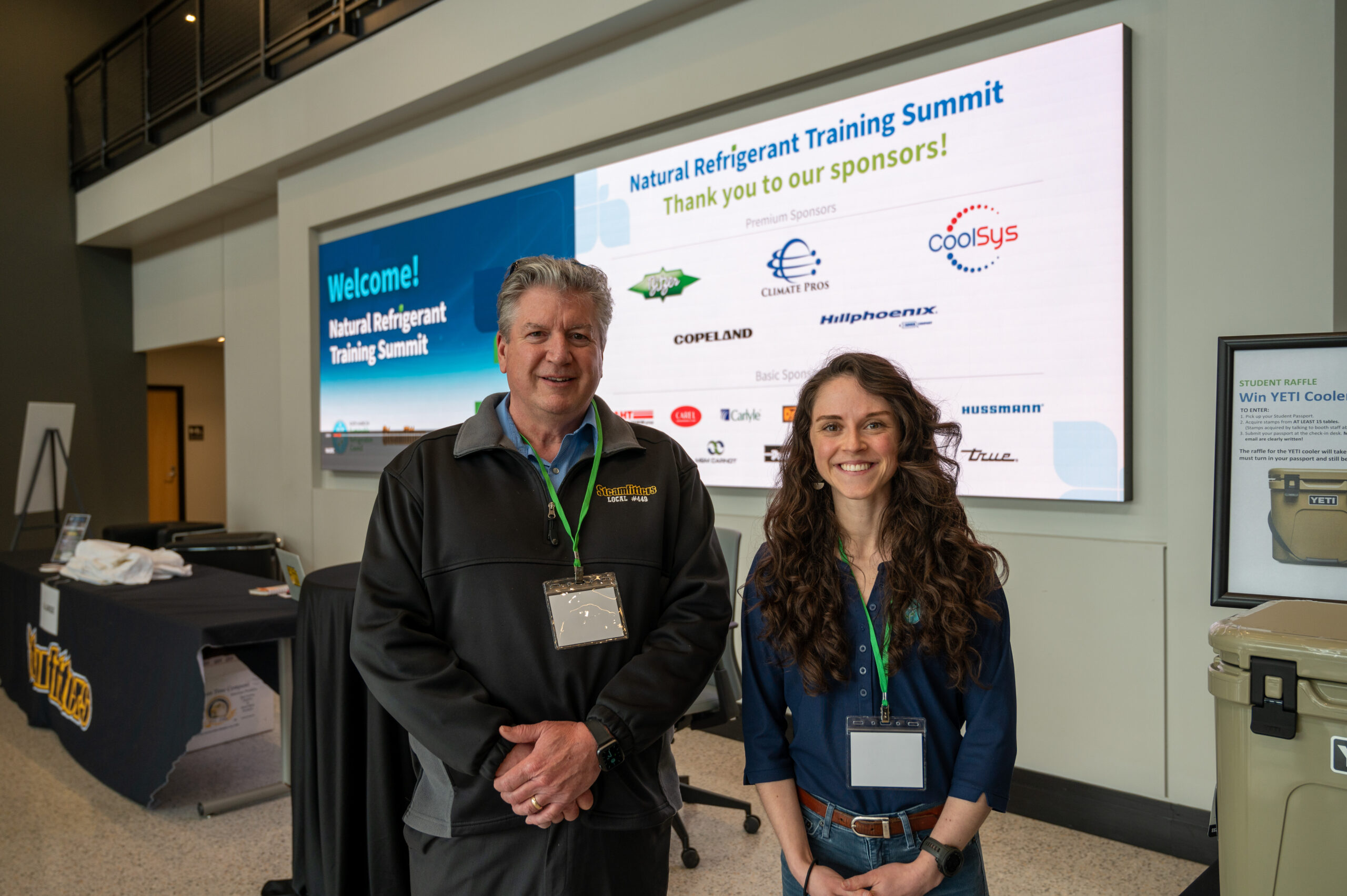
With hundreds of participants and multiple technical sessions, such events demonstrate the scale of industry transition currently underway.
They also show that natural refrigerant education is no longer niche — it is mainstream.
The Future of HVAC Careers
As sustainability standards continue evolving, HVAC careers are also evolving.
Future-focused technicians will need:
-
Strong refrigeration fundamentals
-
Knowledge of low-GWP systems
-
Compliance awareness
-
Energy efficiency expertise
-
Safety certification
Natural refrigerant training supports long-term career resilience in a changing regulatory landscape.
Union and Structured Training Pathways
Structured apprenticeship and advanced training programs often integrate:
-
Updated refrigerant curriculum
-
Industry-recognized certifications
-
Safety training
-
Code compliance education
-
Real jobsite exposure
Because these programs align with contractor demand, they help ensure technicians are prepared for emerging system types.
For professionals in Pennsylvania, aligning with structured, industry-supported training programs can provide a strategic advantage as refrigerant standards evolve.
Frequently Asked Questions
What is a natural refrigerant?
A natural refrigerant is a substance that occurs naturally and has low environmental impact compared to synthetic alternatives.
Are CO₂ systems safe?
Yes, when properly installed and maintained by trained professionals.
Is natural refrigerant training required?
While not always mandatory, many employers now prefer technicians with updated refrigerant knowledge.
Does natural refrigerant training increase salary?
Advanced skills can increase job opportunities and long-term earning potential.
Are natural refrigerants the future of HVAC?
Industry trends strongly suggest continued growth in low-GWP refrigerant adoption.
Final Thoughts
Natural refrigerant systems are transforming the HVAC and refrigeration industry. For professionals in Pennsylvania, particularly in the Pittsburgh region, staying current with evolving refrigerant standards is critical.
Advanced training in CO₂, hydrocarbon, and ammonia systems is becoming a defining factor in long-term career growth.
Technicians who invest in continued education today will be better positioned for tomorrow’s mechanical systems.