

How Veterans Can Transition into a Union Steamfitter Career
Steamfitters UA449 Veterans Pittsburgh programs help military service members transition into high-paying union steamfitter careers through structured apprenticeship training and GI Bill support. Leaving the military is a major life transition. Many veterans look for a career that offers structure, purpose, strong pay, and long-term stability. For those with mechanical aptitude, discipline, and a team mindset, becoming a union steamfitter or HVAC technician can be a natural next step.
In Pennsylvania and the Mid-Atlantic region, union apprenticeship programs provide veterans with paid training, industry certifications, and a clear path to long-term career growth. Instead of starting from scratch, many veterans discover that the skills developed in service translate directly into success in the skilled trades.
This guide explains how veterans can move from military service into a union steamfitting career, how the GI Bill works with apprenticeship programs, and why union training provides long-term advantages over traditional trade schools.
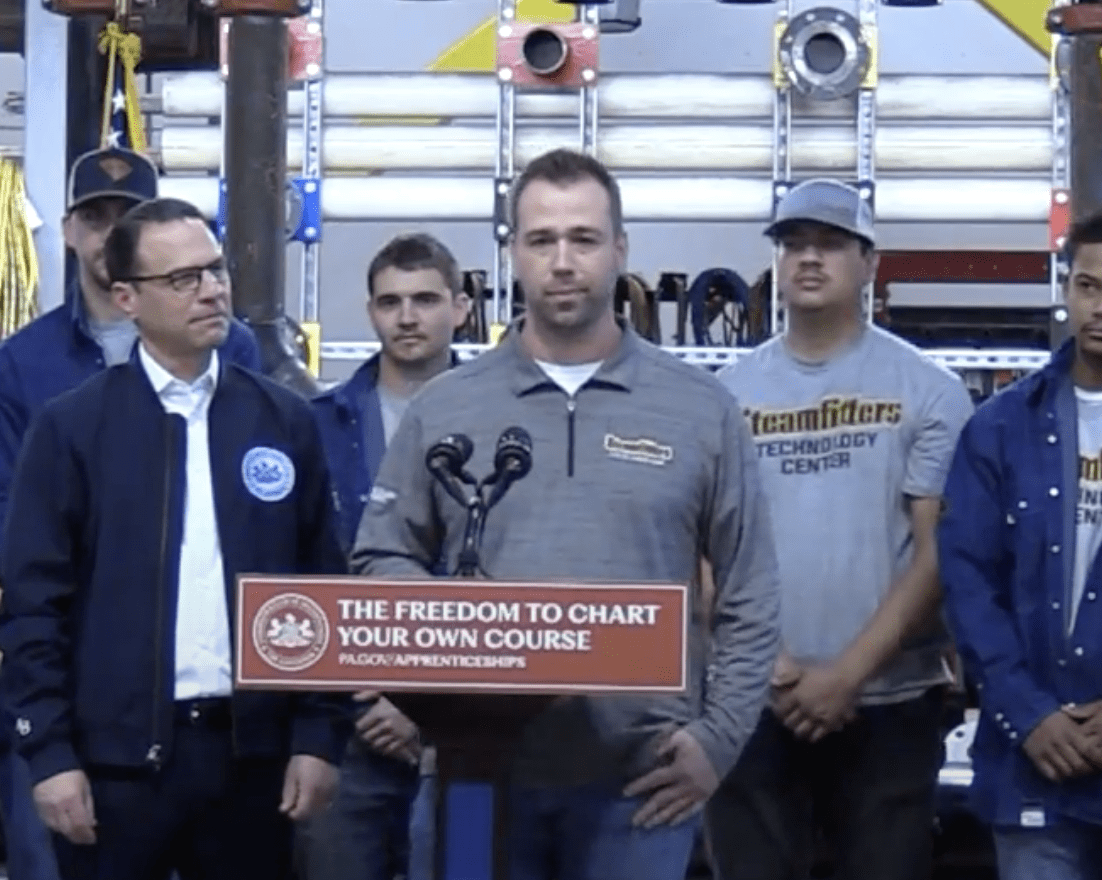
Why Skilled Trades Are a Strong Career Path for Veterans
Veterans often thrive in structured environments. Union apprenticeship programs mirror many aspects of military culture:
-
Clear hierarchy and advancement
-
Performance-based promotion
-
Hands-on technical training
-
Team-oriented work
-
Strong leadership development
Steamfitting and HVAC careers also provide something many veterans value: tangible work with real-world impact. Steamfitters install and maintain complex mechanical systems in hospitals, universities, manufacturing plants, and large commercial facilities. The work is essential to infrastructure and public safety.
Additionally, skilled trades offer long-term stability. According to federal labor projections, demand for mechanical systems technicians and HVAC professionals remains steady due to infrastructure upgrades, energy transitions, and ongoing maintenance needs.
What Does a Steamfitter or HVAC Technician Do?
Steamfitters and HVAC-R technicians work with:
-
Heating systems
-
Chilled water systems
-
Industrial piping
-
Refrigeration systems
-
Energy-efficient building systems
-
Mechanical equipment installation and service
In union apprenticeship programs, veterans receive classroom education combined with paid on-the-job training. This dual structure allows apprentices to earn while they learn — a major advantage compared to private trade schools that require tuition upfront.
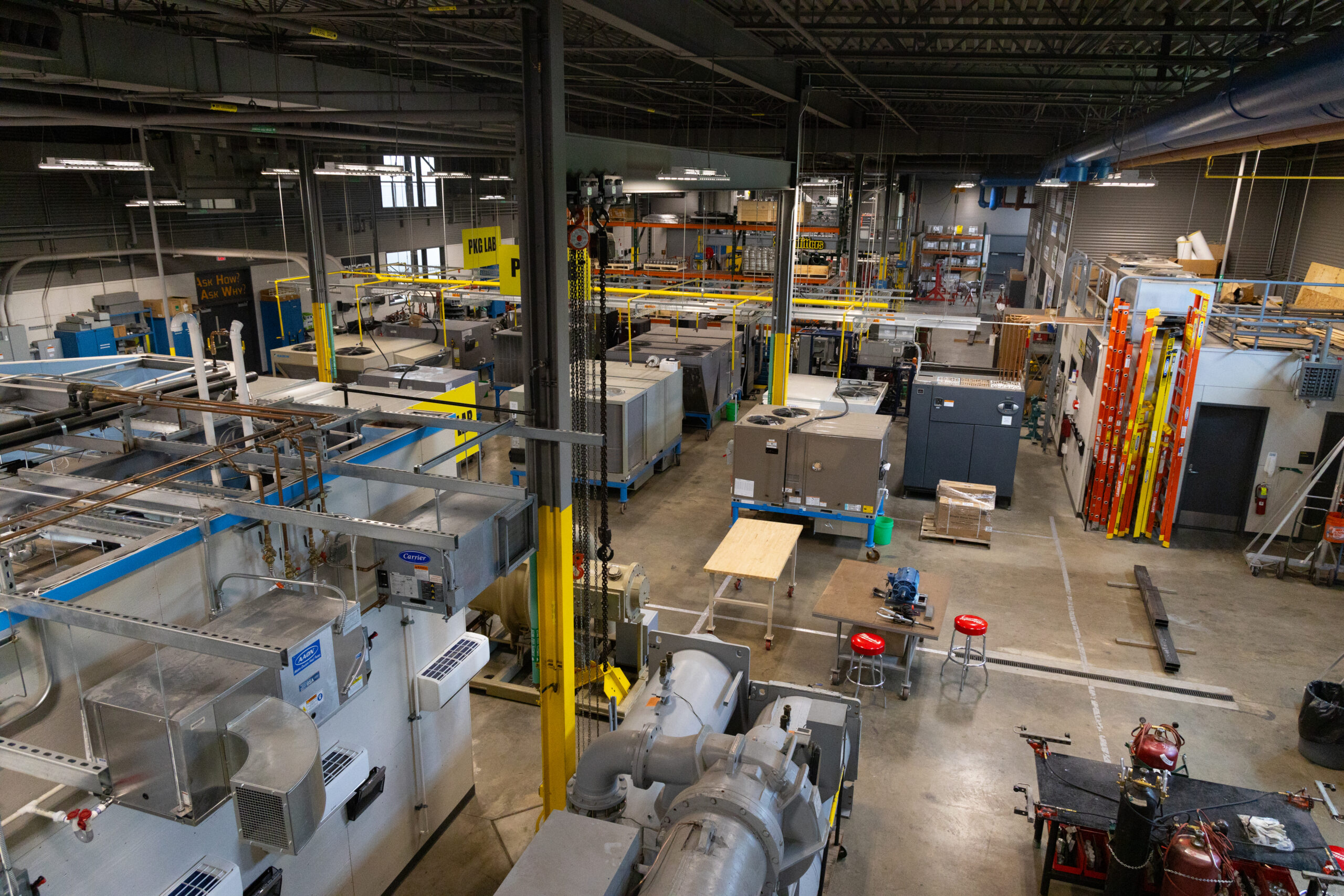
Paid Apprenticeship vs Trade School: What’s the Difference?
One of the biggest questions veterans ask is:
“Should I go to trade school or apply for a union apprenticeship?”
Here is the key difference:
Trade School
-
Tuition required
-
Limited real job experience
-
Certifications vary
-
Job placement not guaranteed
Union Apprenticeship
-
Earn a wage from day one
-
No traditional tuition debt
-
Structured multi-year training
-
Industry-recognized certifications
-
Strong contractor network for employment
For veterans who value financial stability, the paid apprenticeship model often makes more sense.
How the GI Bill Works with Apprenticeships
Many veterans are unaware that they can use their GI Bill benefits during a registered apprenticeship program.
When enrolled in an approved apprenticeship:
-
Veterans can receive monthly housing allowance payments
-
Benefits can supplement apprentice wages
-
The combination significantly increases early-career income
This structure reduces financial pressure during the first years of training.
Instead of choosing between education and income, veterans can receive both.
Veterans HVAC Training Programs
Some union programs offer focused entry pathways for veterans interested specifically in HVAC-R service and mechanical equipment systems.
These programs typically include:
-
10-week introductory training
-
Safety certifications
-
Mechanical systems fundamentals
-
Refrigeration basics
-
Industry tool training
-
Transition support into full apprenticeship tracks
The goal is to bridge military experience into technical civilian skills.
Even veterans with no prior HVAC experience can begin training from day one.
How Military Skills Translate into Steamfitting
Many veterans underestimate how transferable their experience is.
Military skills that align well with steamfitting include:
-
Mechanical troubleshooting
-
Reading technical diagrams
-
Following procedural systems
-
Safety protocol adherence
-
Leadership and supervision
-
Working in high-pressure environments
Steamfitting projects often involve complex coordination and teamwork — similar to mission-based operations in the military.
Career Paths After Apprenticeship
Completing a union apprenticeship opens multiple career pathways:
-
Field service technician
-
Mechanical supervisor
-
Estimator
-
Instructor
-
Business agent
-
Project manager
-
Mechanical contractor business owner
Some experienced members go on to start their own contracting companies.
Others move into specialized industrial sectors or energy-efficiency projects.
The career ceiling is significantly higher than many entry-level civilian jobs veterans initially consider.
Salary Expectations for Steamfitters and HVAC Technicians
Compensation varies by region and experience level, but union mechanical trades typically offer:
-
Competitive hourly wages
-
Health insurance
-
Retirement benefits
-
Pension contributions
-
Overtime opportunities
-
Long-term job stability
In many regions, experienced union steamfitters earn well above national median wages for civilian technical occupations.
For veterans transitioning out of service, this can provide both financial growth and long-term security.
Why Union Training Provides Long-Term Stability
Union apprenticeship programs are jointly managed by labor and contractors. This means training is aligned directly with employer demand.
Instead of training for a hypothetical job market, apprentices train for real contractor needs.
This reduces underemployment risk — a common issue for veterans entering unfamiliar civilian industries.
Frequently Asked Questions
Can veterans join a steamfitting apprenticeship with no experience?
Yes. Most programs provide foundational training and do not require prior HVAC experience.
Can I use my GI Bill during apprenticeship?
Yes, if the program is registered and approved, veterans can receive GI Bill housing allowance while working.
Is HVAC a good career for veterans?
Yes. The field offers structure, strong pay, physical work, and advancement pathways that align well with military experience.
How long does apprenticeship training last?
Most union apprenticeship programs last several years and combine classroom instruction with paid job site training.
What if I want to start my own mechanical business later?
Union training provides the technical foundation needed for long-term advancement, including supervisory and business roles.
Transitioning from Service to Skilled Trades
Leaving the military does not mean leaving behind structure, purpose, or leadership opportunities. Many veterans find that union mechanical trades provide a strong second career with upward mobility.
For those seeking a path that values discipline, teamwork, and technical skill, steamfitting and HVAC careers offer a clear, structured transition.
If you are a veteran exploring career options after service, consider learning more about union apprenticeship programs in your region and how GI Bill benefits can support your training.